




The Role of Community Engagement and Volunteerism in Building Stronger Societies
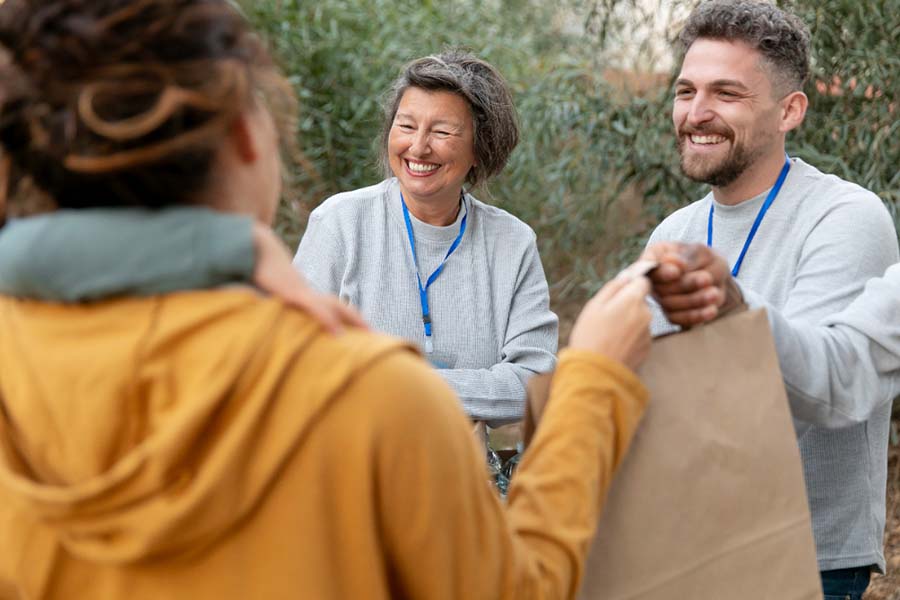
When we think about the foundations of a strong society, we often focus on things like economic growth, education, or healthcare. However, one key factor that often gets overlooked is community engagement and volunteerism. These forms of civic participation are not only essential for building stronger and more resilient communities, but they also play a crucial role in fostering a sense of belonging and solidarity among individuals. So, what is it about community engagement and volunteerism that makes them so powerful, and what challenges do volunteers face in their efforts to make a difference?
Community engagement is the process of involving individuals in the decision-making and actions that affect their lives and neighborhoods. It goes beyond just showing up to meetings or signing petitions – it’s about actively participating in the development and improvement of the community. Volunteerism, on the other hand, involves giving time and effort, without monetary compensation, to support causes that benefit others. Both of these forms of participation are key to developing a sense of shared responsibility and contributing to the common good.
The Benefits of Community Engagement and Volunteerism
One of the most significant benefits of community engagement and volunteerism is that it fosters stronger relationships and connections among individuals. When people come together to work on a common cause, they begin to understand one another better, build trust, and develop a sense of unity. These interactions not only help strengthen social bonds but also break down barriers of misunderstanding, prejudice, and isolation.
Community engagement and volunteerism also provide individuals with a deeper sense of purpose. Whether it’s helping the homeless, supporting education, or advocating for environmental sustainability, volunteers feel a sense of accomplishment and satisfaction when they know they are making a tangible difference. This sense of fulfillment often translates into an overall improvement in mental health and well-being, as people who are more engaged in their communities tend to report higher levels of happiness and life satisfaction.
For societies at large, the positive effects of volunteerism extend well beyond personal fulfillment. When individuals volunteer their time, they help provide crucial services and support to those who need it the most. For example, volunteers may work in hospitals, shelters, schools, or community centers, offering their assistance to organizations that might otherwise be understaffed or underfunded. By filling these gaps, volunteers can ensure that essential services continue to be available and accessible to vulnerable populations.
Moreover, community engagement and volunteerism play a significant role in addressing social issues that may not be adequately addressed by governmental or private organizations. When communities take the initiative to tackle local problems, they can often do so in ways that are more personalized and effective. Volunteers are often more in tune with the specific needs of their neighborhoods, making them better suited to find creative, grassroots solutions to problems like poverty, crime, or educational inequality.
There is also a broader economic impact of community engagement. Volunteers save governments and organizations money by providing services that would otherwise have to be paid for. This frees up resources that can be used to support other important initiatives. Volunteers can also create job opportunities and stimulate local economies by contributing to community-driven projects and businesses.
The Challenges of Civic Participation
Despite the many benefits, community engagement and volunteerism are not without their challenges. One of the main obstacles to getting involved in volunteer work is a lack of time. Many people today juggle busy work schedules, family commitments, and personal responsibilities, leaving little room for volunteerism. This can be especially true for individuals who are already struggling to make ends meet or who are balancing multiple jobs.
Another challenge is the issue of burnout. While volunteering can be deeply rewarding, it can also be emotionally and physically exhausting, especially if individuals are taking on too much or working in particularly stressful environments. Volunteers may feel overwhelmed or disillusioned if they don’t receive enough support or recognition for their efforts. This can lead to a decline in enthusiasm and commitment to the cause.
Community engagement efforts also face the challenge of apathy. In today’s fast-paced world, many people are more focused on their personal lives and careers than on their communities. This can make it difficult to motivate others to get involved in civic activities or volunteer opportunities. Even if people are willing to help, they may feel that their individual efforts will have little impact or that systemic problems require solutions beyond their reach.
Additionally, community engagement and volunteerism can be hindered by a lack of resources. Many grassroots organizations that rely on volunteers struggle to secure the funding and infrastructure necessary to run their programs effectively. Without proper support, even the most dedicated volunteers can find it difficult to make a lasting impact. This lack of resources can also create disparities between communities, with wealthier areas having access to more organized and well-funded volunteer opportunities, while others face greater challenges in mobilizing support.
Overcoming the Challenges
While these challenges are real, they are not insurmountable. Many communities have found creative ways to address issues like time constraints and burnout. One solution has been the development of flexible volunteer opportunities, where individuals can contribute in smaller, more manageable ways. For example, some organizations offer “micro-volunteering,” which allows people to participate in short, one-time tasks that fit into their busy schedules.
Another way to combat burnout is by providing better support and recognition for volunteers. By offering training, emotional support, and opportunities for social connections, organizations can help prevent volunteers from feeling overwhelmed. Additionally, recognizing the contributions of volunteers through awards or public acknowledgment can boost morale and motivate others to get involved.
To tackle apathy, it’s essential to create opportunities that are inclusive and meaningful. If people see that their efforts are genuinely making a difference, they are more likely to stay engaged. Community leaders can also work to raise awareness about the importance of civic participation, encouraging individuals to view volunteerism not just as a way to help others but as a means of building a more vibrant and cohesive society.
Lastly, organizations and governments must invest more in supporting volunteerism and community engagement. This includes securing funding for grassroots initiatives, providing necessary infrastructure, and developing policies that promote civic participation. By creating a more supportive environment for volunteers, we can ensure that community engagement continues to thrive and that its benefits reach as many people as possible.
Conclusion
Community engagement and volunteerism are essential pillars of strong and thriving societies. They foster social bonds, provide essential services, and address local issues in ways that large institutions cannot. However, these efforts come with their own set of challenges, such as time constraints, burnout, and apathy. By finding innovative solutions to these obstacles and supporting volunteers more effectively, we can ensure that community participation remains a driving force for positive change. Whether you’re already a volunteer or simply someone looking for a way to give back, there’s no doubt that your involvement can make a lasting impact on both your community and society as a whole.
If you found this post engaging, don’t forget to explore our additional blogs:
- Shocking Changes in Family Structures: What You Need to Know!
- Enhancing User Experience: Dewalist Classifieds’ Commitment to Efficient Content Moderation
- Dewalist Soars to New Heights: A December 2023 Recap
- Dewalist Reaches 103 Users per Minute: A Google Analytics Record
- The Wealth of Nations by Adam Smith: A Word Book Summary
- Embracing Remote Work: Shaping Tomorrow’s Workplace
- Navigating Mental Health in the Justice System
- Tech’s Impact on Education: Shaping Future Learning
- Social Media’s Relationship Impact: A Digital Paradox
- Embracing Diversity: Building Inclusive Workplace & Society
Sign up for updates on this blog and our latest posts if you enjoyed reading this one.
Help your friends and colleagues stay informed about the newest insights on business, marketing, finance, lifestyle, and society by sharing our blog content through Facebook, Twitter, Pinterest, LinkedIn, email, or WhatsApp links below. We can create a knowledge-sharing community and empower one another to accomplish and experience our objectives.
Credits
Featured image by freepik.